
Are you one of those individuals who dread visiting the dentist, fearing the pain associated with procedures like root canal treatment (RCT) or tooth extraction? If so, you’re not alone. Dental anxiety is a common phenomenon, and the fear of pain often prevents people from seeking the dental care they need. However, at Noida Dental Solutions, we understand these concerns and strive to provide our patients with a comfortable and pain-free experience.
Our commitment to pain-free dentistry is not just a slogan; it’s a philosophy that guides everything we do. From the moment you step into our clinic, you’ll notice the difference in our approach. Our friendly and compassionate staff will greet you warmly and make every effort to ensure your visit is as stress-free as possible.
So, what exactly sets Noida Dental Solutions apart when it comes to pain-free dental care?
Advanced Technology and Techniques
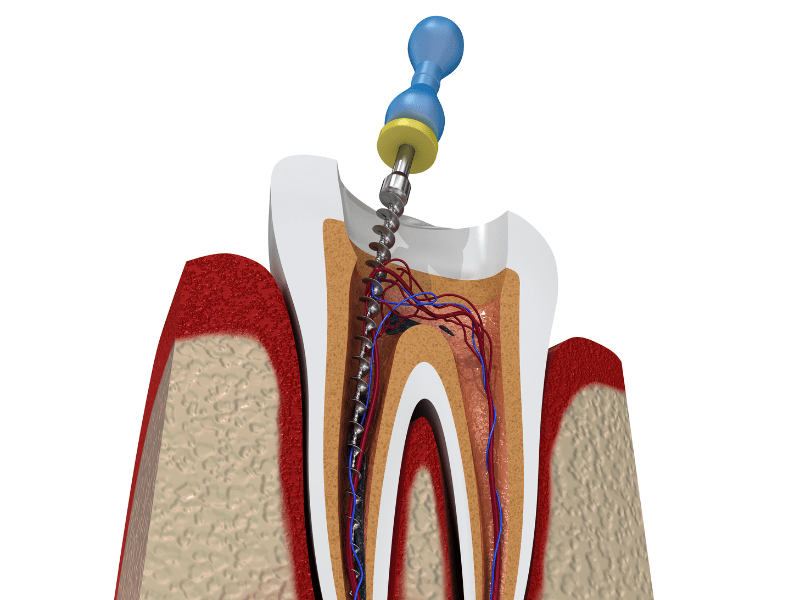
At Noida Dental Solutions, we leverage the latest advancements in dental technology and techniques to minimize discomfort during procedures. Our state-of-the-art equipment allows us to perform RCT and extractions with precision and efficiency, reducing the time you spend in the chair and minimizing any discomfort you may experience.
Local Anesthesia
We understand that the fear of pain during dental procedures is a significant concern for many patients. That’s why we prioritize the use of local anesthesia to numb the treatment area and ensure you remain comfortable throughout the procedure. Our skilled dentists are experienced in administering anesthesia safely and effectively, minimizing any discomfort you may feel.
Sedation Dentistry
For patients with severe dental anxiety or those undergoing more complex procedures, we offer sedation dentistry options to help you relax and remain calm during your visit. Whether you opt for oral sedation or nitrous oxide (laughing gas), our team will tailor the sedation method to your individual needs, ensuring a stress-free experience from start to finish.
Gentle Approach
Above all, our dentists and staff are committed to providing gentle and compassionate care to every patient. We understand that each individual has unique needs and concerns, and we take the time to listen to your questions and address any anxieties you may have. Our gentle approach to dentistry ensures that you feel comfortable and confident in the care you receive.
Patient Education and Communication
We believe that informed patients are empowered patients. That’s why we take the time to educate our patients about their dental health and treatment options. From explaining the details of a procedure to discussing post-operative care instructions, we ensure that you have all the information you need to make informed decisions about your oral health.
Comfortable Environment
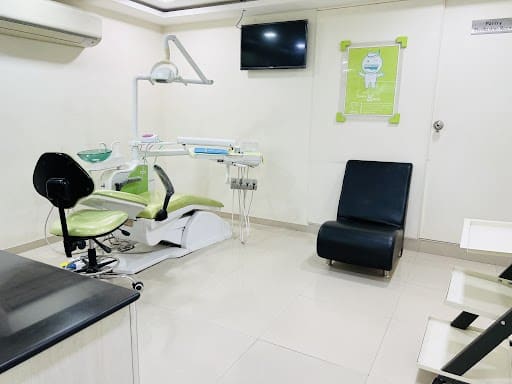
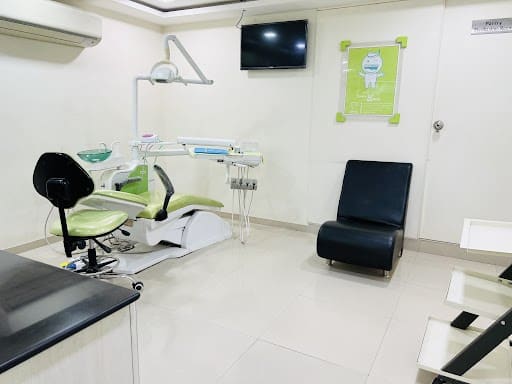
Finally, we strive to create a comfortable and welcoming environment for our patients. From our modern and inviting clinic space to our friendly and caring staff, every aspect of your experience at Noida Dental Solutions is designed with your comfort and well-being in mind.
Conclusion
At Noida Dental Solutions, we believe that everyone deserves access to high-quality dental care in a comfortable and pain-free environment. Whether you’re in need of a routine cleaning or a more complex procedure like Painfree in RCT and extraction, you can trust our experienced team to provide gentle and compassionate care every step of the way.
Don’t let fear or anxiety prevent you from achieving the healthy smile you deserve. Schedule an appointment with Noida Dental Solutions today and experience the difference of pain-free dentistry. Your smile is our top priority, and we look forward to helping you achieve optimal oral health and confidence for years to come.










 Best Dental Clinic in Noida